Top 10 Implant System Portfolios for Global Buyers in 2026?
As the dental implant market evolves, choosing the right implant system portfolio becomes crucial for success. In 2026, global buyers face a myriad of options. They must consider factors such as reliability, innovation, and their own specific needs. The right implant system portfolio can significantly impact treatment outcomes and patient satisfaction.
Each portfolio boasts unique benefits. Some emphasize cutting-edge technology while others prioritize a comprehensive range of products. Buyers must evaluate their priorities carefully. An informed choice can enhance practice reputation and patient trust. In contrast, a poor selection may lead to costly mistakes and treatment delays.
Understanding market trends is essential. New materials and design innovations are emerging continuously. However, not all advancements guarantee improved performance. Reflection on past experiences can guide better decisions. Prospective buyers should analyze performance metrics and user feedback to identify the most suitable implant system portfolios for their practices.

Overview of Implant System Portfolios in 2026
In 2026, the landscape of implant system portfolios is set to evolve significantly. Various manufacturers will introduce innovative technologies that enhance performance and reliability. This shift will reflect a growing demand for enhanced patient outcomes and streamlined surgical procedures. Advanced materials, improved surface treatments, and smart integration may play crucial roles in this transformation.
Many businesses in the implant sector acknowledge the importance of customization. Flexibility in product offerings can cater to diverse clinical needs. However, the challenge lies in balancing innovation with reliability. Some companies may prioritize cutting-edge technology over proven methods, raising questions about long-term effectiveness. As buyers navigate their options, thorough evaluation of available data will be essential. Peer reviews and clinical studies will serve as invaluable resources.
The implant market will likely feature a mix of established practices and novel approaches. Certain organizations may fall short in providing comprehensive training for practitioners. This could result in inconsistent application of new systems. Feedback from end-users should guide future developments, ensuring that user experience aligns with emerging technologies. Adapting to these dynamics requires openness to learning and improvement across the industry.
Key Features of Top Implant Systems for Global Buyers
When exploring implant systems, understanding key features is essential for making informed decisions. A strong implant portfolio should emphasize reliability and adaptability. Features like compatibility with diverse prosthetics enhance functionality in various clinical settings. Look for systems that offer quick osseointegration for faster patient recovery.
Tips: Evaluate the long-term success rates of different systems. Consistent data from clinical trials can provide insights into performance. Also, consider how well a system can be integrated into your existing practice. Training and support from manufacturers can also influence your choice.
Another important aspect is the material used in implants. High-quality titanium alloys are preferred for their strength and biocompatibility. Surface treatment techniques should encourage bone attachment effectively. Reflecting on your specific needs and those of your patients can guide you toward the right options.
Ultimately, the best implant systems are those that not only meet technical requirements but also support ongoing care. Engaging with peer reviews can unveil practical experiences from others. Look for insights that reveal strengths and weaknesses of each system.
Top 10 Implant System Portfolios for Global Buyers in 2026
| Implant System |
Material |
Connection Type |
Platform Switching |
Unique Features |
| Implant System A |
Titanium Alloy |
Internal Hex |
Yes |
Nano-coating technology |
| Implant System B |
Zirconia |
External Hex |
No |
White aesthetic finish |
| Implant System C |
Titanium |
Internal Octagon |
Yes |
Wide range of abutments |
| Implant System D |
Titanium |
Internal Hex |
Yes |
Bone-like surface texture |
| Implant System E |
Titanium Alloy |
Internal Hex |
No |
Self-tapping design |
| Implant System F |
Zirconia |
External Hex |
Yes |
Biocompatible coating |
| Implant System G |
Titanium |
Internal Hex |
Yes |
Enhanced stability features |
| Implant System H |
Titanium Alloy |
Internal Hex |
No |
Dual-stage locking mechanism |
| Implant System I |
Zirconia |
External Hex |
Yes |
Osteoconductive properties |
| Implant System J |
Titanium |
Internal Octagon |
Yes |
Rapid osseointegration |
Market Trends Influencing Implant System Selection
The landscape of implant systems is evolving. Buyers must consider multiple market trends as they make decisions. One major factor is biocompatibility. Materials that integrate well with human tissue are crucial. The push for patient safety drives this demand.
Another trend is the emphasis on ease of use. Surgeons seek systems that are intuitive and efficient. Streamlined procedures can enhance patient outcomes. Training is also essential. Continuous education on new technologies is often necessary.
Cost-effectiveness is frequently a concern. Budget constraints impact selections. However, value is not just about price. Quality and longevity of implants matter significantly. Some buyers reflect on previous purchases, often realizing that investing more upfront yields better long-term results.
As the market grows, adaptability becomes vital. Systems must evolve with emerging technologies. While innovative solutions promise improved patient care, they also require careful evaluation. Buyers feel the pressure to stay ahead, navigating a complex landscape with evolving needs.
Top 10 Implant System Portfolios for Global Buyers in 2026
Comparative Analysis of Leading Implant Brands
In the competitive landscape of dental implant systems, a thorough comparative analysis reveals significant trends. By 2026, global buyers will prioritize portfolios with proven reliability and robust technology. Industry reports indicate that the market is anticipated to grow by about 10% annually, reaching an estimated valuation of $10 billion. This growth signals an increasing demand for quality implant solutions.
A closer examination of leading implant brands suggests that material quality, ease of installation, and post-operative outcomes are critical factors. Data shows that up to 30% of patients experience complications due to subpar materials. Reliable systems often emphasize biocompatibility and surgical ease. These elements minimize risk and enhance patient satisfaction. Additionally, buyer preferences are shifting towards brands offering comprehensive support and training.
However, challenges exist. Not all systems are equally accessible across regions. Variability in clinical outcomes and product availability can lead to frustration for dental professionals. The ability to adapt and evolve a brand's offerings is essential for long-term success. As buyers weigh their options for the best implant system portfolios, understanding these nuances is crucial.
Future Innovations in Implant Technology and Their Implications
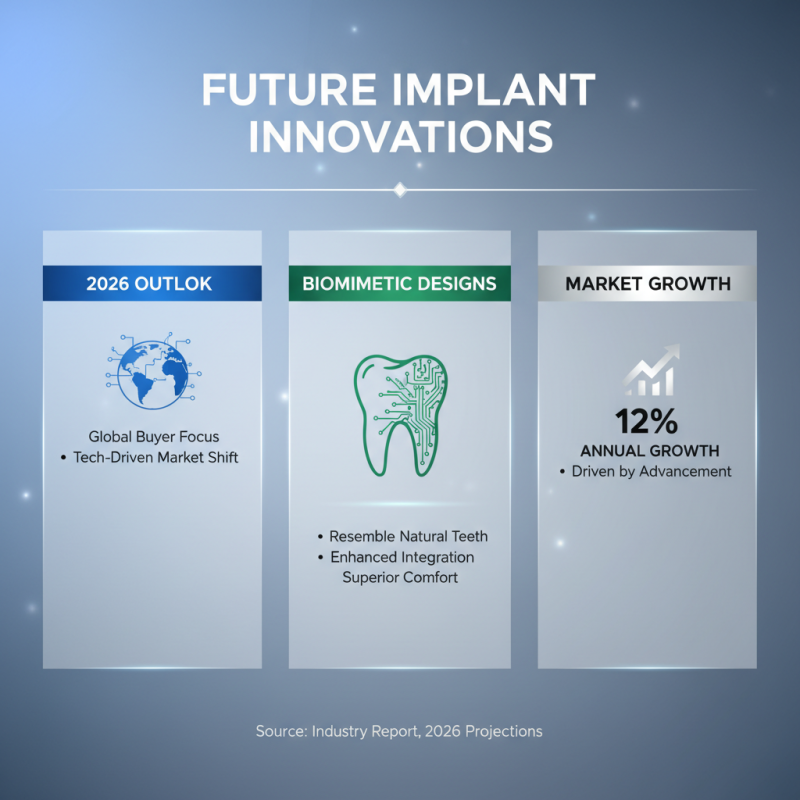
As we look toward 2026, innovations in implant technology are set to reshape the landscape for global buyers. The shift towards biomimetic designs is gaining traction. These implants, resembling natural tooth structures, enhance integration and patient comfort. A recent industry report highlighted a projected 12% annual growth for this sector, driven by such advancements.
Moreover, the rise of smart implants—equipped with sensors—offers unprecedented data analytics. They can provide real-time feedback on implant condition and patient health. This technology promises improved outcomes and could revolutionize aftercare protocols. However, there remains a challenge concerning data security and patient privacy, which warrants careful consideration.
Emerging materials like graphene and advanced ceramics are also on the horizon. These materials significantly improve durability and reduce infection risks. Yet, the cost of developing and producing these innovations can be a barrier, particularly in emerging markets. As buyers prepare for future investments, they must weigh innovation against practical affordability.