In recent years, spine care innovation has transformed the landscape of orthopedic treatment. According to a report by the North American Spine Society, over 80% of individuals will experience back pain at some point in their lives. This staggering statistic highlights the urgent need for improved solutions in spinal health. Experts in the field, such as Dr. Robert Hartman, emphasize the importance of these advancements, stating, “Innovations in spine care can significantly enhance patient quality of life.”
The emergence of technologies like robotic-assisted surgeries and minimally invasive techniques demonstrates the commitment to better outcomes. However, despite these advancements, challenges remain. For instance, access to cutting-edge treatments often depends on geographical and economic factors. A report by the American Academy of Orthopaedic Surgeons notes that disparities exist in the availability of these innovations across different regions.
As we explore the ten best spine care innovations, it is crucial to reflect on both the triumphs and obstacles within this field. While progress is evident, the journey toward equitable and effective spine care is ongoing. With continued research and development, the future promises even greater strides in spine care innovation.

Surgical techniques in spine care have evolved dramatically in recent years. Minimally invasive procedures are now at the forefront. These techniques often result in reduced recovery times and less postoperative pain. Surgeons use advanced imaging technology to guide them during surgery. This precision allows for smaller incisions, which can lead to fewer complications.
Robotic-assisted spine surgery is another remarkable advancement. Surgeons can perform complex procedures with enhanced accuracy. Robotics help in real-time tracking of instruments. This technology also reduces the chance of human error. However, the high cost of these systems can be a concern for many facilities. There is still a learning curve for many surgeons adapting to these innovations.
Another technique gaining attention is endoscopic spine surgery. This method allows direct access to the spine without major disruption to surrounding tissues. Recovery can be quicker, but not all patients are suitable candidates. Each innovation has its pros and cons. The challenge lies in selecting the right procedure for individual patients, ensuring optimal outcomes. As with any medical advancement, ongoing research and adaptation are crucial in refining these techniques.
| Innovation | Description | Benefits | Procedure Type |
|---|---|---|---|
| Robotic-Assisted Surgery | Minimally invasive spine surgery using robotic arms for precision. | Reduced recovery time, minimal scarring, enhanced precision. | Surgical |
| 3D Printing for Implants | Custom 3D printed spinal implants tailored to patient anatomy. | Improved fit, better healing outcomes, reduced rejection rates. | Surgical |
| Artificial Discs | Replacement of damaged intervertebral discs with artificial ones. | Preserves motion, relief from pain, and quicker recovery. | Surgical |
| Endoscopic Spine Surgery | Using an endoscope to perform spine surgery through small incisions. | Less post-operative pain, shorter hospital stays, quicker recovery. | Surgical |
| Stem Cell Therapy | Using stem cells to regenerate damaged spinal tissues. | Potential for recovery without surgery, reduced pain, and inflammation. | Non-surgical |
| Intrathecal Pump Therapy | Delivery of pain medication directly to the spinal fluid. | Effective pain management with lower doses, fewer side effects. | Non-surgical |
| Neurostimulation Devices | Devices implanted to send electrical signals to alleviate pain. | Chronic pain relief, adjustable settings, reversible procedure. | Non-surgical |
| Augmented Reality in Surgery | Using AR to visualize surgical plans and patient anatomy. | Enhanced precision, better outcomes, and improved surgeon training. | Surgical |
| Biologics for Spinal Fusion | Using biological materials to facilitate spinal fusion. | Accelerates healing, reduces need for hardware, improves success rates. | Surgical |
Non-surgical treatments for spinal issues have gained traction in recent years. Advanced techniques offer patients effective options without the risks associated with surgery. According to a report by the American Academy of Orthopaedic Surgeons, over 80% of patients with back pain seek non-surgical treatment first. This trend reflects a growing preference for less invasive solutions.
One significant innovation is regenerative medicine. Techniques such as platelet-rich plasma (PRP) therapy harness the body’s healing capabilities. A study published in the Journal of Orthopaedic Research indicated that PRP can improve pain and function in patients suffering from chronic spinal conditions by up to 70%. Another promising development is the use of spinal decompression therapy. This method reduces pressure on spinal discs, allowing for better blood flow and nutrient exchange.
However, not all treatments offer universal benefits. Some patients report limited success with non-surgical options, highlighting areas for improvement in protocols and patient selection. The challenge remains in identifying which patients will respond favorably to these treatments. As research evolves, the integration of data-driven insights will likely refine these methodologies, ensuring better outcomes for those with spinal issues.
This chart illustrates the effectiveness of various advanced non-surgical treatments for spinal issues. Each innovation is rated on a scale of 0 to 10, highlighting the growing potential of non-invasive methods in spine care.
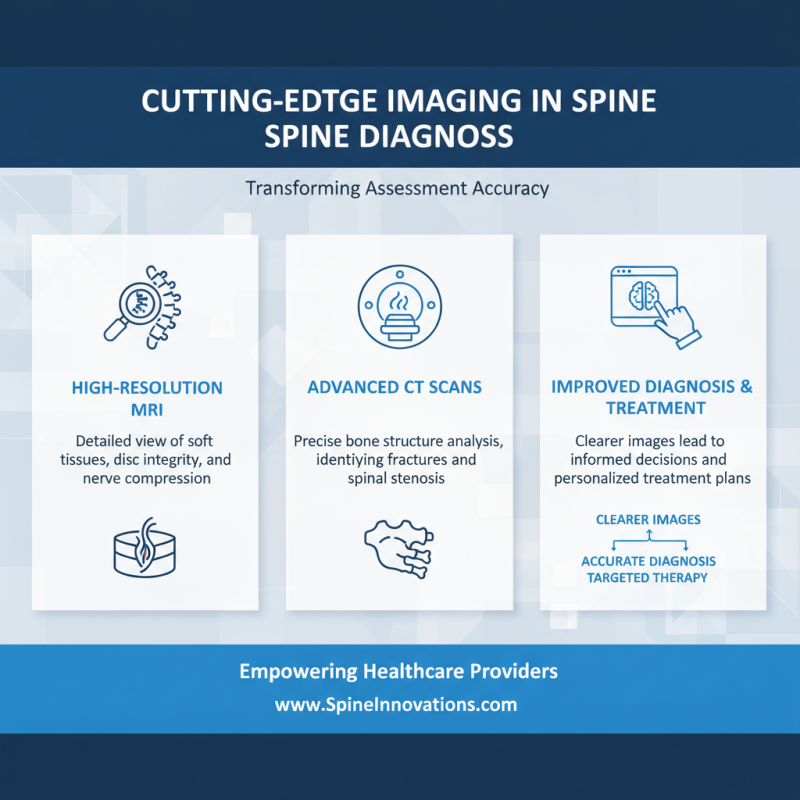
Advancements in imaging technologies have transformed spine diagnosis significantly. These innovations offer clearer images of spinal structures, improving assessment accuracy. High-resolution MRI and CT scans provide critical details about disc integrity and nerve compression. This clarity enables healthcare providers to make informed decisions about treatment options.
Artificial intelligence (AI) is increasingly utilized in these imaging techniques. AI algorithms analyze images faster than human eyes. They identify subtle abnormalities that may be missed otherwise. While promising, this reliance on technology raises questions about diagnostic consistency and the potential for overreliance.
Emerging methods like 3D imaging and virtual reality also enhance understanding of spinal conditions. They allow patients to visualize their issues better. This can lead to improved communication between doctors and patients. However, these technologies require careful integration into clinical practice. Without proper training and resources, benefits may not be fully realized.
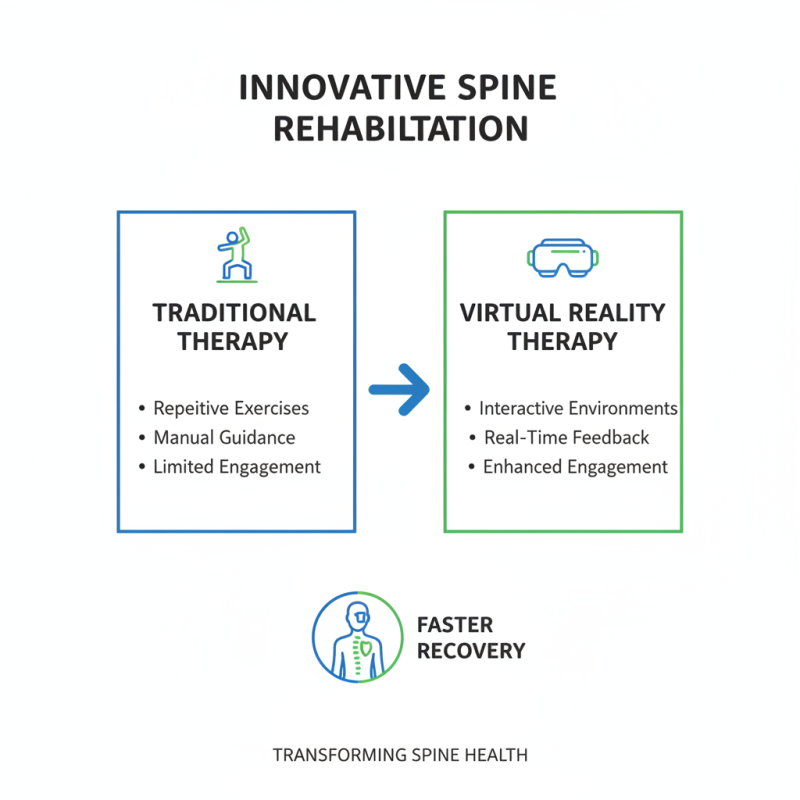
Innovative rehabilitation approaches for spine health are transforming recovery strategies. One notable method is the use of virtual reality therapy. This technology immerses patients in interactive environments. It helps them perform exercises while providing real-time feedback. Studies suggest that patients engage better with physical therapy in a virtual setting.
Manual therapy remains a staple in spine rehabilitation. Skilled practitioners use hands-on techniques to adjust the spine. This approach can alleviate pain and improve mobility. However, it’s essential to find qualified therapists. Additionally, individuals often require a personalized treatment plan tailored to their specific needs.
Mindfulness and cognitive therapy are gaining traction as well. Patients learn to manage pain through mental techniques. This dual approach can enhance recovery. While these innovations show promise, it’s vital to note that not all methods work for everyone. Ongoing evaluation and adjustment of treatment plans are crucial. Finding the right balance is key.
In recent years, smart wearable devices have revolutionized spine monitoring and support. These innovations are tailored to track posture and movement. They help users maintain a healthy spine and avoid injury.
Many devices use sensors to collect data on your spinal alignment. Some provide real-time feedback to encourage proper posture. Others send alerts when you slouch or sit for too long. These insights empower users to make timely adjustments.
Tips: Consider integrating these devices into your daily routine. Regular usage can build healthier habits. Start by setting reminders for breaks to stretch or adjust your position.
However, reliance on technology can be a double-edged sword. If you become too dependent on a device, you might neglect your body's signals. It's crucial to listen to your own comfort and make mindful choices about movement. Remember, technology should complement your awareness, not replace it.