2026 Best Innovations in Mimetic Metal Technology for Future Applications?
Mimetic Metal technology is shaping the future of various industries. As we anticipate the 2026 Best Innovations, this technology stands at the forefront. It promises advancements in manufacturing, electronics, and materials science.
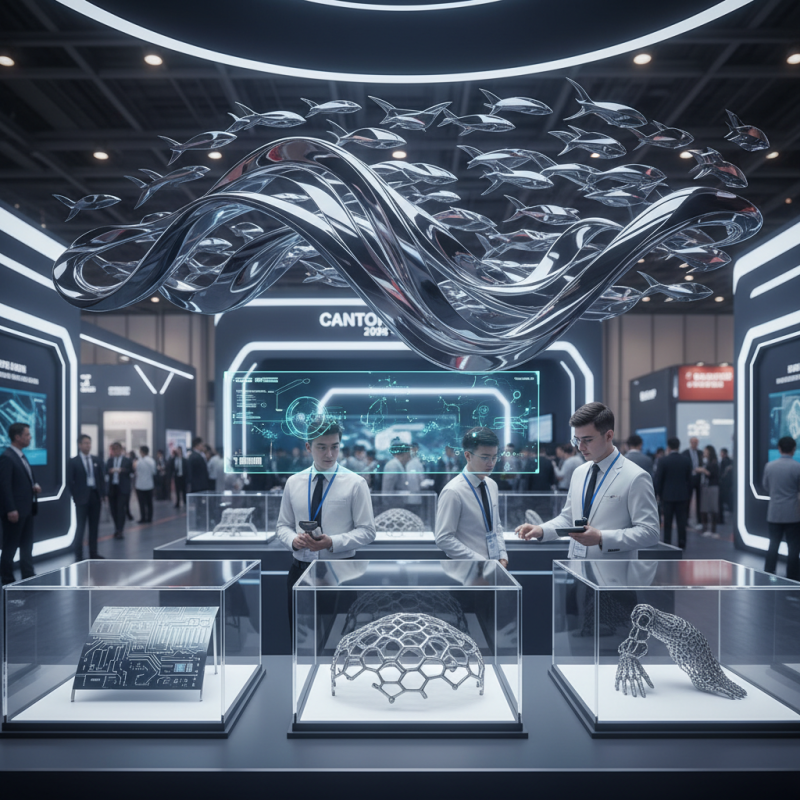
At the upcoming 2026 Canton Fair, innovations in Mimetic Metal technology will be showcased. This event will highlight its potential applications. The integration of advanced materials and intelligent solutions can transform many processes. However, challenges remain. Transitioning to these technologies requires careful planning and adaptation.
These advancements need a closer examination. Not every approach may yield the desired results. Some prototypes might not perform as expected. Adopting new materials demands thorough testing and reflection. As we look forward to future applications, understanding these complexities is crucial. Embracing Mimetic Metal technology could revolutionize our industry, but it won't come without hurdles.
Overview of Mimetic Metal Technology: Key Concepts and Definitions
Mimetic metal technology refers to materials that imitate natural structures. This innovative field blends biology and engineering. Mimetic metals can replicate the properties of natural materials, enhancing strength and resilience. According to a recent report by the Global Materials Institute, these materials are expected to grow by 25% annually through 2026.
Mimetic metals utilize unique designs found in nature. For example, the structure of bones inspires new lightweight materials. These metals demonstrate superior durability compared to traditional alloys. The challenge lies in the scalability of production. Current manufacturing methods are not always efficient. As demand rises, companies must refine processes to meet requirements.
Research shows that mimetic metals could reduce energy consumption in various applications. Buildings made from these materials could decrease heating and cooling needs. However, there are limitations. Performance under extreme conditions is still under evaluation. Testing the long-term effects of exposure to environmental factors remains essential. This technology is promising but requires rigorous research to realize its full potential.
Historical Development of Mimetic Metals: Milestones and Breakthroughs
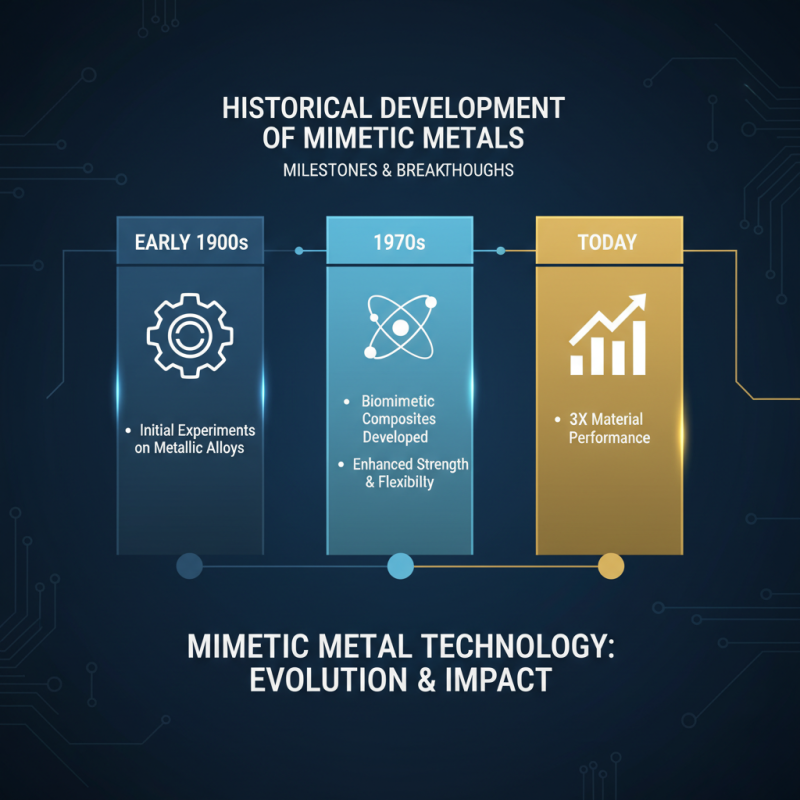
Mimetic metal technology has evolved tremendously since its inception. It began in the early 20th century, with initial experiments on metallic alloys. By the 1970s, significant breakthroughs emerged. Researchers developed composites that mimic biological structures, enhancing strength and flexibility. Reports indicate that these innovations have tripled material performance in several fields.
A pivotal moment occurred in the 1990s when engineers created shape-memory alloys. These materials can return to a pre-defined shape when heated. They found applications in medical devices, like stents. An estimated market growth of 20% is projected for these alloys by 2025, highlighting their potential.
Tip: When exploring these technologies, consider how nature influences design. Biological systems often inspire resilient structures. Another area worth noting is the sustainability of these metals. Mimetic technologies can reduce waste and energy use, but they require ongoing evaluation to avoid unforeseen consequences. Material reliability remains a concern, needing further research.
Recent Innovations in Mimetic Metal Applications Across Various Industries
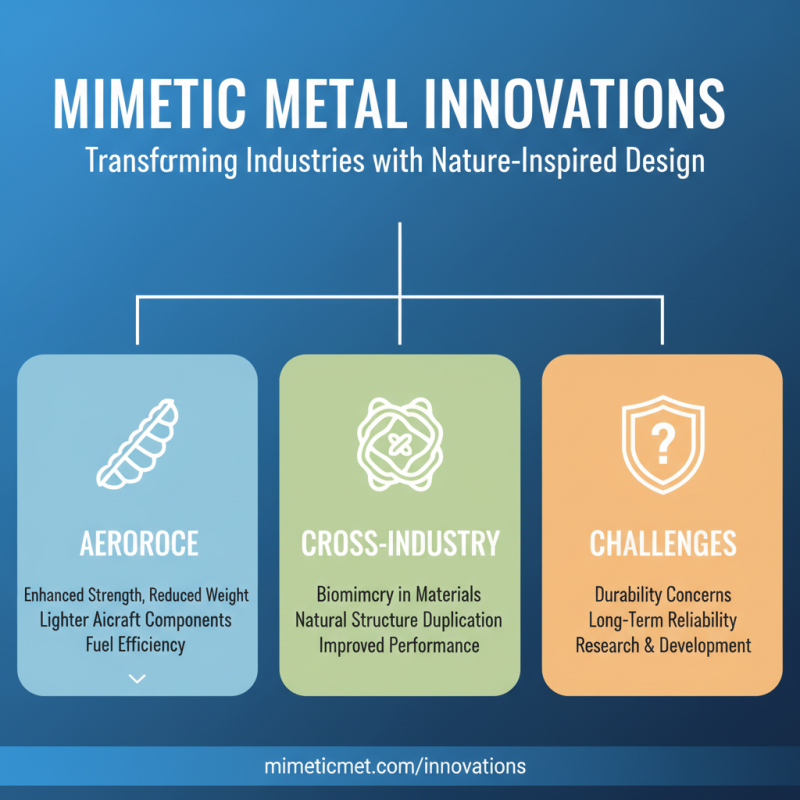
Recent advancements in mimetic metal technology have transformed various industries significantly. These innovations mimic natural structures to enhance performance. For instance, aerospace materials now exhibit improved strength and reduced weight. Engineers are utilizing mimetic designs to create lighter aircraft components. This innovation helps in fuel efficiency, but the durability of these new materials remains a concern.
In the automotive sector, mimetic metals are paving the way for safer vehicles. Enhanced crumple zones protect passengers during accidents. However, implementing these materials can be costly, and scalability is a significant challenge. Industries must weigh the benefits against the expenses.
Biomimicry in metal technology also extends to medical devices. Devices made with these metals can better integrate with the human body. They foster healing and reduce the risk of rejection. Despite this, the long-term effects of these materials require further study. The path forward is filled with promise but also demands careful consideration.
Challenges and Limitations in the Advancement of Mimetic Metal Technology
Mimetic metal technology promises revolutionary changes in various industries. However, several challenges hinder its advancement. One major concern is the material's durability. Many mimetic metals exhibit structural weaknesses under stress. This limitation raises questions about their reliability in critical applications, such as aerospace or automotive sectors.
Manufacturing processes also pose significant hurdles. The production of mimetic metals often requires complex methods. These methods can be costly and time-consuming. Moreover, scaling these processes for mass production is not straightforward. Companies face the dilemma of balancing quality and efficiency.
Additionally, there are regulatory considerations. Advanced materials often face stringent testing and certification processes. This can slow down innovation timelines. Researchers are working rigorously to overcome these challenges. Yet, the path forward is often fraught with unexpected obstacles and uncertainties. Each innovation brings new questions.
Future Directions: Potential Applications and Research Areas for Mimetic Metals
Mimetic metals are revolutionizing various industries. Their unique ability to mimic biological materials opens numerous possibilities for future applications. Researchers are exploring how these materials can be used in healthcare, particularly in prosthetics and implants. By closely resembling natural tissues, mimetic metals could improve integration with the human body. This could lead to fewer complications and enhanced patient outcomes.
Another exciting research area lies in structural applications. Mimetic metals can adjust their properties based on external stimuli. Imagine buildings that respond to temperature changes, expanding or contracting to maintain stability. This adaptability could lead to safer buildings and more efficient energy usage. However, challenges remain. Creating materials that balance performance and cost is crucial. Research must address the long-term durability as well.
The potential in the field of robotics is noteworthy. Mimetic metals can allow for more fluid and lifelike movements. Robots made from these materials could navigate complex environments more effectively. Yet, achieving the right level of flexibility and strength is still a hurdle. Balancing innovation with practical implementation demands ongoing reflection and adaptive thinking. Exploring these avenues may pave the way for significant advancements in technology.