Top 10 Anterior Lumbar Fusion Solutions for Back Pain Relief?
Back pain remains a common affliction, affecting millions worldwide. For those seeking relief, anterior lumbar fusion solutions have emerged as effective options. These solutions are designed to alleviate pain by stabilizing the spine. They address various conditions, such as degenerative disc disease and spinal instability.
Healthcare professionals, including surgeons and physiotherapists, emphasize the importance of individualized treatment plans. Each patient's condition varies, and so too should their approach. While many find success with these solutions, not every case yields the desired outcome. It’s crucial to engage with experienced specialists for personalized advice.
In exploring the top 10 anterior lumbar fusion solutions, one can uncover innovative techniques and advancements. From minimally invasive procedures to established surgical methods, each solution brings its own benefits and risks. Understanding these intricacies is vital for making informed decisions about back pain treatment.
Overview of Anterior Lumbar Fusion and Its Benefits
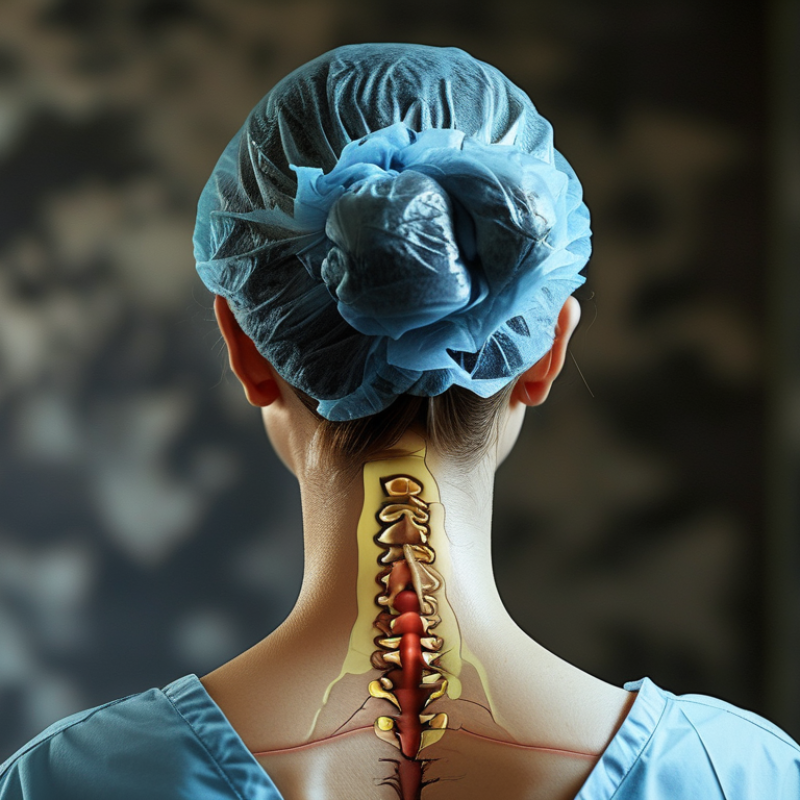
Anterior lumbar fusion (ALF) is a surgical procedure that aims to relieve back pain caused by degenerative disc disease, spinal instability, or other conditions. This technique involves accessing the spine from the front, allowing surgeons to fuse two or more vertebrae. According to a report by the North American Spine Society, approximately 400,000 fusion surgeries occur annually in the United States. This number reflects a significant reliance on surgery for chronic back pain.
The benefits of anterior lumbar fusion are multifaceted. Patients often experience considerable pain relief and improved mobility. Research published in the Journal of Spinal Disorders shows that about 80% of patients report satisfaction post-surgery. However, the procedure is not without its challenges. Complications can arise, such as infection or nerve damage, which must be carefully considered. Long-term outcomes vary, with some individuals requiring additional surgery.
Moreover, patients should weigh individual risks against the potential benefits. Despite the high success rates, some reports indicate that 20% of patients may still experience chronic pain after the procedure. This highlights the importance of thorough pre-operative assessments and realistic goal-setting. Continual evaluation of surgical techniques and patient selection criteria remains critical in enhancing outcomes for anterior lumbar fusion surgeries.
Top 10 Anterior Lumbar Fusion Solutions for Back Pain Relief
This chart illustrates the effectiveness of various anterior lumbar fusion solutions in relieving back pain, based on data gathered from clinical outcomes.
Common Conditions Treated with Anterior Lumbar Fusion
Anterior lumbar fusion (ALF) is a surgical technique that helps alleviate chronic back pain. It addresses several underlying issues that can lead to debilitating discomfort. Common conditions treated with ALF include degenerative disc disease, spinal instability, and spondylolisthesis. Degenerative disc disease often results in the deterioration of spinal discs, leading to pain and reduced mobility. By fusing the affected vertebrae, ALF stabilizes the spine.
Another condition frequently managed with this surgery is spinal instability. This occurs when the spine cannot maintain its normal posture, causing excessive movement and pain. ALF provides the necessary support, helping to restore a more natural alignment. Spondylolisthesis, where a vertebra slips out of place, can also benefit from this procedure. The fusion process can help prevent further slippage and associated pain.
While ALF can be effective, not all patients experience the same outcomes. Some may face complications or prolonged recovery times. Factors such as age, overall health, and specific spinal conditions can influence results. It's crucial for individuals to discuss potential risks and benefits with a qualified healthcare provider. This ensures an informed decision tailored to their unique needs.
Top 10 Surgical Techniques and Technologies in Anterior Lumbar Fusion
Anterior lumbar fusion is a popular solution for severe back pain. Numerous surgical techniques and technologies are used to enhance outcomes. One notable technique is the use of minimally invasive surgery (MIS) for lumbar fusion. This approach reduces tissue damage and speeds up recovery. Surgeons utilize specialized instruments, which can decrease post-operative pain.
Another method involves the use of intraoperative neuromonitoring. This technology helps to monitor spinal cord function during surgery, ensuring safety. Surgeons can act immediately if any issues arise. Additionally, some techniques employ advanced imaging, such as fluoroscopy or CT scans, to visualize the spine better. This allows for precise placement of implants or grafts, improving fusion rate and overall success.
Despite advancements, challenges remain. Surgeons must consider patient-specific factors, like age and overall health. Some patients may experience complications, such as infections or non-union of bones. Ongoing research is vital to address these issues and refine techniques. Balancing safety with efficiency is a continuous goal in this field. Each patient presents unique challenges that require thoughtful solutions.
Post-Operative Care and Rehabilitation for Fusion Patients
Post-operative care is crucial for patients recovering from anterior lumbar fusion. The body must heal properly to ensure the fusion is successful. Patients often feel pain or discomfort right after surgery. This is normal but should be monitored closely. Effective pain management is important for this stage. Some discomfort may linger longer than expected, causing frustration. Listening to your body is key.
Tips for recovery: Stay hydrated and follow a balanced diet. This helps your body heal. Gentle walking is encouraged. It promotes blood flow and aids in recovery. Set small, achievable goals. This keeps motivation high while allowing you to track progress.
Rehabilitation typically begins weeks after surgery. Physical therapists play a vital role here. They can guide you through safe exercises. These exercises are designed to strengthen your back and improve flexibility. It’s common to feel some apprehension about movement post-surgery. It’s vital to communicate any concerns to your healthcare provider. This ensures the approach to rehab remains safe and effective.
Top 10 Anterior Lumbar Fusion Solutions for Back Pain Relief
| Solution |
Effectiveness Rate |
Recovery Time |
Post-Operative Care Tips |
| Traditional ALIF |
80% |
4-6 weeks |
Follow a structured rehabilitation program. |
| Minimally Invasive ALIF |
85% |
2-4 weeks |
Maintain mobility while avoiding strain. |
| ALIF with Interbody Fusion |
82% |
6-8 weeks |
Regular follow-up appointments. |
| ALIF with BMP |
87% |
5-7 weeks |
Hydration and nutrition support. |
| ALIF with Robotic Assistance |
90% |
3-5 weeks |
Adhere to pain management protocols. |
| ALIF with Posterior Stabilization |
84% |
6-8 weeks |
Gradual return to daily activities. |
| ALIF with Allograft |
81% |
6 weeks |
Physical therapy to ensure strength. |
| ALIF with PEEK Cages |
86% |
4-6 weeks |
Monitor for any signs of complications. |
| ALIF with Osteobiologics |
88% |
5-7 weeks |
Emphasize pain-free movement activities. |
| ALIF with Dynamic Stabilization |
83% |
6 weeks |
Follow adaptive rehabilitation exercises. |
Risks and Complications Associated with Anterior Lumbar Fusion Surgery
Anterior lumbar fusion surgery can provide significant relief from back pain. However, it is not without risks and complications. Patients should be aware of potential issues before undergoing this procedure.
Infections are a common concern following surgery. They can occur at the incision site or deeper within the spine. While advances in surgical techniques reduce this risk, it remains a possibility. Blood clots are another complication that can develop post-operatively. These clots can lead to serious health issues if they travel to the lungs or heart. Awareness and early detection are vital.
Nerve damage is a serious risk associated with anterior lumbar fusion. This can result in numbness, weakness, or persistent pain in the legs. Although rare, it’s essential to discuss this risk with your healthcare provider. Fusion failure is also a possibility; the bones may not heal properly. This can lead to continued pain and the need for further surgeries. Understanding these risks ensures informed decision-making for prospective patients.